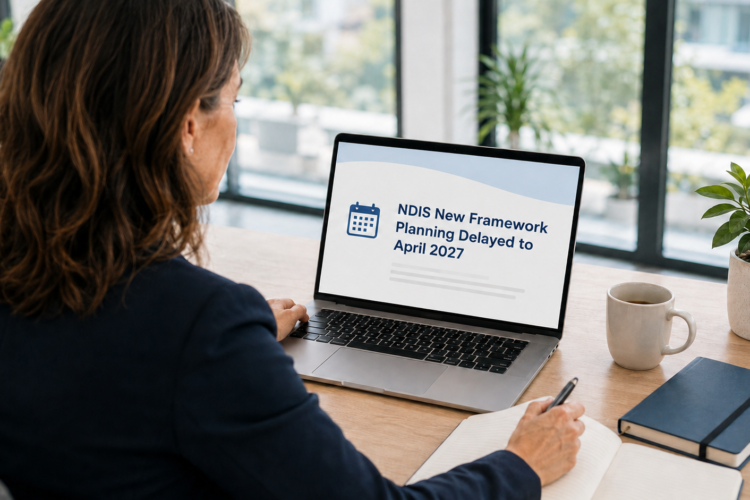


SIL providers across Australia are preparing for significant operational and compliance changes as new registration requirements commence from July 2026. As the sector evolves, providers are reviewing their systems, workflows, and reporting processes to ensure they are ready for ongoing regulatory requirements.
With mandatory registration changes for Supported Independent Living (SIL) providers commencing from July 2026, many providers are reviewing their systems, operational processes, and compliance workflows.
As the SIL sector continues to evolve, providers are expected to maintain stronger operational oversight, clearer documentation processes, and better visibility across their organisation.
For providers delivering complex and around-the-clock support, this can place additional pressure on teams already managing rostering, participant records, reporting, incident management, payroll, and compliance obligations.
Key SIL Registration Dates Providers Should Be Aware Of
As part of the transition toward mandatory registration requirements for SIL providers, several important milestones have been introduced across the sector.
1 July 2026
The transition toward mandatory registration begins. Providers delivering SIL services are expected to have commenced the registration process.
1 October 2026
Unregistered providers must have submitted their registration application to the NDIS Commission by this date to continue delivering SIL services.
Increased Demand for Approved Quality Auditors
As more providers move through the registration process, many approved auditing bodies are already experiencing significant wait times. Providers may benefit from securing audit bookings early to avoid delays.
Updated Practice Standards
Providers will also be expected to meet the Core Module of the NDIS Practice Standards, along with the supplementary module specific to Supported Independent Living services.
Why Operational Visibility Matters for SIL Providers
Many SIL providers still manage key operational areas across multiple disconnected systems. Rostering may sit in one platform, compliance records in another, and participant documentation somewhere else entirely.
Over time, disconnected systems can create operational challenges, including:
- Increased administrative workload
- Delayed reporting
- Reduced visibility across teams
- Inconsistent documentation processes
- Difficulty tracking incidents and compliance actions
- Greater operational pressure as organisations grow
For SIL providers, maintaining operational visibility is essential for supporting both participants and internal teams.
The Importance of Connected Systems
As providers prepare for ongoing industry change, many organisations are reviewing whether their current systems can support more connected and scalable workflows.
An all-in-one platform like Brevity helps SIL providers manage operations from one connected system, including:
- Rostering and scheduling
- Participant records and progress notes
- Incident management
- Reporting and compliance
- Timesheets and payroll workflows
- Billing and claiming
Connected systems help reduce double handling and improve visibility across day-to-day operations.
Supporting Better Outcomes Across Your Organisation
Strong systems do more than reduce administration. They also support stronger communication, smoother workflows, and more consistent service delivery across teams.
For providers, connected operations can help improve:
- Visibility across participants and staff
- Accountability across workflows
- Access to important participant information
- Reporting efficiency
- Operational consistency
As the landscape continues to evolve, providers with connected systems and stronger operational oversight will be better positioned to adapt and scale effectively.
Preparing for the Future of SIL Operations
Preparing for operational change is not about reacting at the last minute. It is about building stronger foundations that support long-term service delivery, operational efficiency, and compliance readiness.
For providers, now is the time to review workflows, reporting processes, operational visibility, and the systems supporting day-to-day operations.
Learn more about how Brevity supports SIL providers